
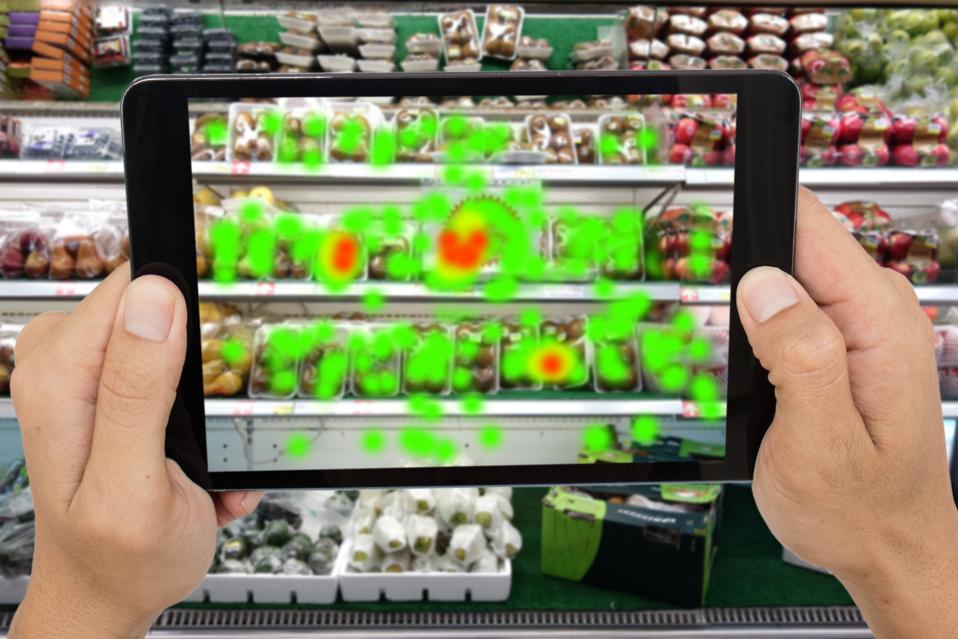
Forbes: Nel retail la AR è per i clienti e la VR è per le aziende

Shutterstock

AICEX: con la Realtà Aumentata i clienti possono scegliere (e acquistare) meglio. Con la Realtà Virtuale le aziende possono risparmiare milioni di Euro. 

In some of the coverage of augmented and virtual reality, it feels like there are efforts to make it a “versus”: AR vs. VR, like one has to win and the other has to lose. But even though the most basic fundamentals of the technologies are similar – a graphical overlay that is directed at a single user’s experience, and that moves according to the physical movements of the user – they’re actually very different technologies.

While both can feel immersive, only one (VR) is definitely immersive, as in, the goal is to minimize other inputs. The visor eliminates other visual inputs, and often comes with headphones to control auditory inputs. In the Samsung 837 Experience in New York, VR users stand on platforms that vibrate or rock, to give movement inputs as well. Studies are starting to show that people accept VR inputs with the same visceral reactions as real life, bringing new dimensions of care to people with post-traumatic stress disorder to phobias to end of life.

AR, on the other hand, requires interaction with reality – it is an overlay of virtual onto the physical world, with the intent of creating interesting interactions between the two. Eliminating other inputs actually reduces what AR can deliver.

So it shouldn’t be a case of AR versus VR, like VHS vs. Beta, but just because one technology is good for one application does not mean the other will work just as well. Which is why, in retail, it seems to be shaping up that AR will have more consumer applications, while VR will have more management applications.

Here’s a round-up of some of the innovations in each.

AR for Consumers:

Continua a leggere “Forbes: Nel retail la AR è per i clienti e la VR è per le aziende”

Cosa gli Hotel (non?) ci insegnano sulla Customer Experience.

[Photo: BaronVisi/iStock]

AICEX: Un simpatico invito ad essere semplici, efficaci, efficienti, memorabili, … umani!  

Lo Storytelling porta la Customer Experience al next level

SpaceX lift off

Photo: SPACEX

AICEX SUMMARY: L’esperienza e non il prezzo saranno il vero campo di battaglia del futuro.

We now have the ability to use dynamic content, data and intelligent automation to improve customer experiences

Experiences, not price, will be the battleground of the future.

Customers value experiences, and those experiences often come in the form of stories. Selfies, social feeds, chats and influence stats grab consumers’ attention, who in turn share their personal encounters.

Continua a leggere “Lo Storytelling porta la Customer Experience al next level”

The Guardian: Ecco perché l’innovazione non è sempre la scelta migliore

Could employing staff on checkouts turn out to be a key point of difference for supermarkets? Photograph: Bloomberg via Getty Images

AICEX SUMMARY: “Consumers are reacting against the dehumanisation of experiences and increasingly will want to find a person on the other end of the line”. // “As we’re increasingly becoming more and more technology-obsessed, many business leaders have come to the false conclusion that technology should lead their brands”.

As study after study predicts huge swaths of jobs will be wiped out by automation in the coming decades, there’s one factor that might just throw a spanner in the works of the robot workforce takeover: the marketing power of brand human.

Just as Fair Trade and organic branding initiatives have convinced consumers to pay a higher price for products and services that might not be produced in the most coldly efficient way possible, businesses are realising the potential to carve out a niche in the face of growing disenchantment with the rise of the machines.

Marketers have identified a range of branding benefits to retaining human talent in the face of cheaper and more efficient automated alternatives – from the ethical glow of providing employment for communities to the customer relationship-building potential of human interaction.

Continua a leggere “The Guardian: Ecco perché l’innovazione non è sempre la scelta migliore”