
Solo la Realtà Virtuale che genera Empatia farà tanto bene al Business

[PHOTO: FLICKR USER AGUSTÍN RUIZ, ILLUSTRATION: AGSANDREW/ISTOCK]

AICEX: Un post per chi vuole capire l’essenza vera della realtà Virtuale. A partire dal Design. Perchè forse solo uscendo dal nostro Mondo riusciamo a comprenderlo davvero.

From training diverse workforces to understand each other to putting product designers in the shoes of their customers, VR is poised to be far more than just a game.

Researchers at Stanford are running “virtual shoes” experiments in which people “viscerally embody avatars” that encounter various forms of prejudice, based on age, race, economic status, and disabilities. Then, subjects are tested for changes in empathy levels toward these groups. After positive initial results, the team is now partnering with neuroscientists to demonstrate how these experiences–which they quite clinically call “self-other merging”–can physically change the brain to reduce bias.

Social innovators are tapping into VR to deepen citizens’ identification with disadvantaged people and places. After screening its documentary on a 12-year-old refugee in Jordan, Clouds over Sidra, in 360-degree video, UNICEF more than doubled its annual fundraising haul. Pencils of Promise, which builds schools for children without access to them, used the same technology to show what learning feels like before and after access to a decent learning environment. More recently, an immersive experience called Notes on Blindness stole the show at the Tribeca Film Festival, by putting the “audience” in the mind’s eye of someone who is blind. 3D sound was the star here, showing that VR’s power transcends fancy visuals.

But empathy-driven VR isn’t just for advocates and academics, it has value for business, too.

Continua a leggere “Solo la Realtà Virtuale che genera Empatia farà tanto bene al Business”

Forbes: 11 utilizzi creativi della Realtà Aumentata nel Marketing

AICEX: 11 persone per 11 interessanti punti di vista.

Augmented reality is quickly becoming one of the hottest trends in the marketing and advertising industries, recognized as an innovative and creative way of connecting with customers and increasing engagement. The technology has significantly grown in popularity over the last few years, and the AR market is expected to continue this trend; it’s projected to reach $117.4 billion by 2022, as indicated by Markets and Markets research.

Giving advertisers and marketers an opportunity to create innovative campaigns that integrate the digital world into the real world, AR is popular with a wide range of consumers, from children and tech-savvy millennials to baby boomers – basically, anyone owning a smartphone.

Below, 11 Forbes Agency Council members discuss the different ways in which augmented reality can be used creatively in the marketing and advertising industries.

All photos courtesy of individual Forbes Agency Council members.

From Snapchat filters to Pokemon Go, augmented reality techniques are gaining traction.

Continua a leggere “Forbes: 11 utilizzi creativi della Realtà Aumentata nel Marketing”

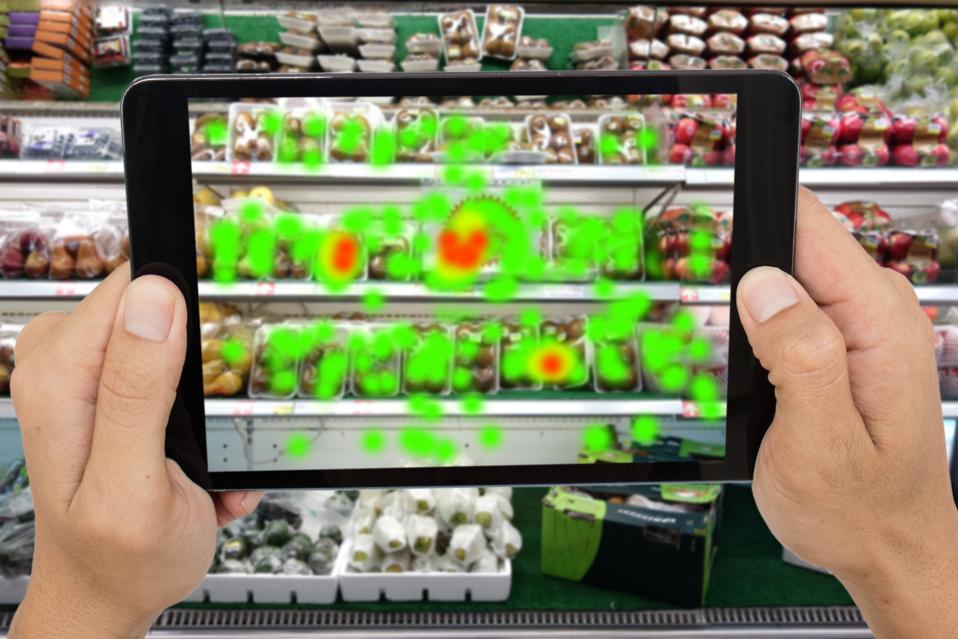
Forbes: Nel retail la AR è per i clienti e la VR è per le aziende

Shutterstock

AICEX: con la Realtà Aumentata i clienti possono scegliere (e acquistare) meglio. Con la Realtà Virtuale le aziende possono risparmiare milioni di Euro. 

In some of the coverage of augmented and virtual reality, it feels like there are efforts to make it a “versus”: AR vs. VR, like one has to win and the other has to lose. But even though the most basic fundamentals of the technologies are similar – a graphical overlay that is directed at a single user’s experience, and that moves according to the physical movements of the user – they’re actually very different technologies.

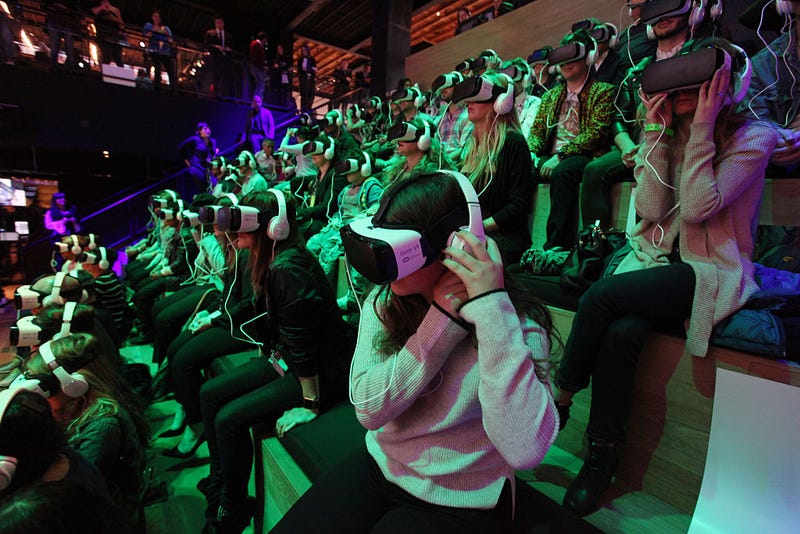
While both can feel immersive, only one (VR) is definitely immersive, as in, the goal is to minimize other inputs. The visor eliminates other visual inputs, and often comes with headphones to control auditory inputs. In the Samsung 837 Experience in New York, VR users stand on platforms that vibrate or rock, to give movement inputs as well. Studies are starting to show that people accept VR inputs with the same visceral reactions as real life, bringing new dimensions of care to people with post-traumatic stress disorder to phobias to end of life.

AR, on the other hand, requires interaction with reality – it is an overlay of virtual onto the physical world, with the intent of creating interesting interactions between the two. Eliminating other inputs actually reduces what AR can deliver.

So it shouldn’t be a case of AR versus VR, like VHS vs. Beta, but just because one technology is good for one application does not mean the other will work just as well. Which is why, in retail, it seems to be shaping up that AR will have more consumer applications, while VR will have more management applications.

Here’s a round-up of some of the innovations in each.

AR for Consumers:

Continua a leggere “Forbes: Nel retail la AR è per i clienti e la VR è per le aziende”

Con la realtà virtuale c’è poco da scherzare!

Photo credit: Getty Images

AICEX: Agli utilizzi con la Religione non avevamo pensato! E viste anche le altre applicazioni indicate qualche volta il rischio è di vivere una vita che “non esiste” : )

Virtual reality, a dream of science fiction writers for decades, is the closest to a true reality than it’s ever been. Multiple headsets are on sale to consumers, and while some aren’t exactly affordable to the common person, such as the HTC Vive or the Oculus Rift, and others work better than others,the upcoming years will only bring more innovation to the industry.

This isn’t limited to just video games either, although that is certainly the biggest market for VR right now. People across different media are using the technology to tell stories and take users on journeys into far away places. For many of us, affordable, viable VR is still a few years away, but we can sit back and appreciate the efforts of others who want to make these experiences as broad as possible.

1. Journalism

With online publications searching for new ways to engage with readers, it’s no surprise that some eventually turned to virtual reality. Places like the New York Times and the Des Moines Register have experimented with the effects that putting a viewer in a certain location could bring. When it comes to talking about VR, one of the ultimate goals is providing users with a genuine-feeling sense of place, which journalism can utilize to tell stories. In the case of Project Syria, an experience created at the USC School of Cinematic Arts, viewers can step inside a refugee camp and look around. Nonny de la Peña, who worked on Project Syria, told the Columbia Journalism Review that it packs an emotional punch because of the empathy users can feel being in a VR environment.

Continua a leggere “Con la realtà virtuale c’è poco da scherzare!”